


Medical Device Box Build



Get A Custom Cable Assembly Today!
Our Clients






Medical device box build assembly is the final integration stage where electronic, mechanical, and enclosure components are combined into a complete medical system. Unlike simple circuit board production, medical devices require coordinated integration of PCB assemblies, wiring harnesses, enclosures, and electromechanical parts working together. In clinical and controlled environments, consistency is essential because even small assembly variations can affect device performance, safety, and regulatory compliance. A controlled medical device box build process helps ensure every unit meets strict quality standards.
Product Details
Medical device box build assembly integrates multiple components into a fully functional system. Each element must be carefully selected and assembled to meet strict performance, reliability, and regulatory requirements in medical environments.
Enclosures
The enclosure houses and protects the internal components of a medical device. Depending on application requirements, enclosures may be made from metal or plastic to balance durability, weight, cost, and environmental protection.
- Metal enclosures: Provide strong structural protection and can often be manufactured with minimal tooling.
- Plastic enclosures: Lightweight and corrosion resistant, often used when waterproofing and cost efficiency are priorities.
- Design considerations: Durability, tooling requirements, weight, environmental exposure, and manufacturing cost.

Printed Circuit Board Assemblies (PCBAs)
PCB assemblies provide the core electronic functionality of a medical device. They manage signal processing, system logic, and communication between connected components.
- Electronic control: Drives device operation, sensors, and system communication.
- Integration: PCBAs may be manufactured in-house or sourced and integrated during box build assembly.
- Reliability: Proper testing and integration are critical for consistent medical device performance.
Cable Assemblies and Wiring Harnesses
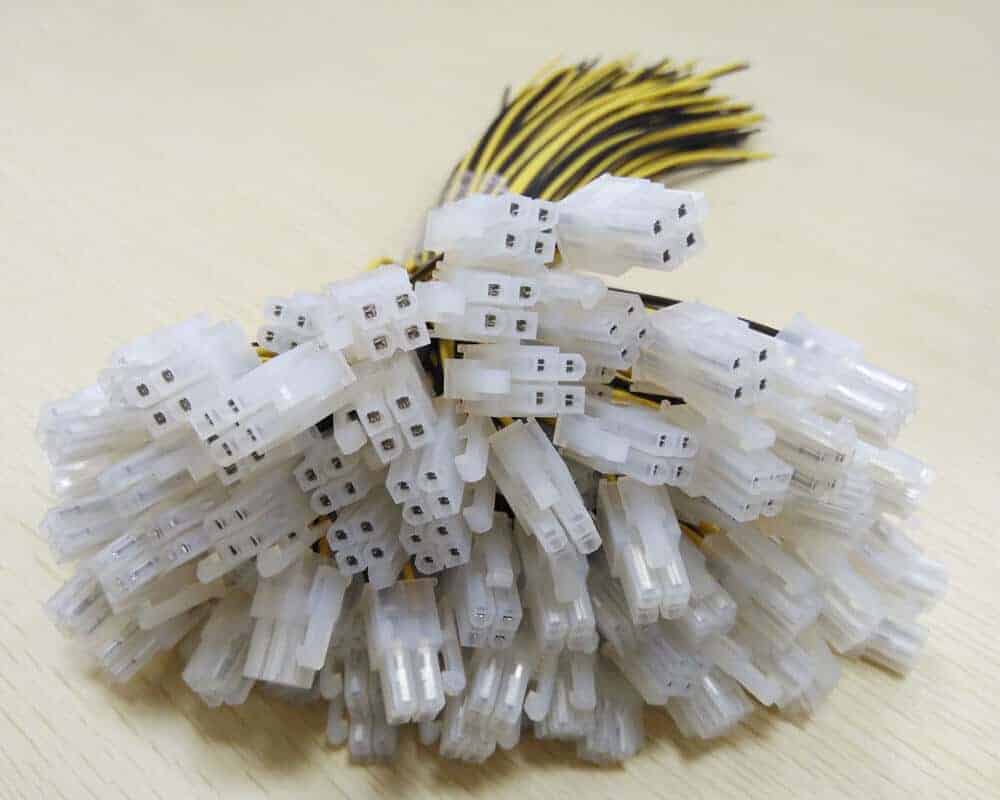
Cable assemblies and wiring harnesses connect electrical and electronic components throughout the device, enabling reliable signal and power distribution.
- Routing: Organized cable paths prevent interference and simplify maintenance.
- Strain relief: Protects connections from mechanical stress and movement.
- Labeling and sealing: Ensures traceability, safety, and protection from environmental exposure.


Electromechanical Components
Electromechanical components enable motion, sensing, and system interaction within medical devices.
- Motors and actuators: Provide controlled movement and positioning.
- Sensors and switches: Detect conditions and trigger device responses.
- Displays and indicators: Provide system feedback and operational status.
Mechanical Components
Mechanical components provide the structural framework that secures and organizes internal assemblies within the device.
- Fasteners and brackets: Secure internal components in position.
- Hinges and mounts: Support moving or serviceable sections of the enclosure.
- Gaskets and seals: Protect internal components from dust, moisture, and contamination.

Power Components
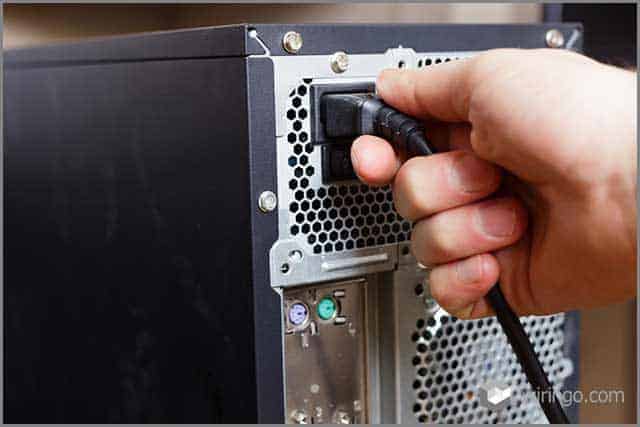
Power components supply and regulate electrical energy throughout the medical device.
- Power supplies and batteries: Provide stable energy for device operation.
- Connectors and protection devices: Safeguard circuits from electrical faults.
- Thermal considerations: Proper heat management helps maintain safe and reliable operation.
User Interface Components
User interface components allow clinicians and technicians to interact with the device and monitor system status.
- Buttons and keypads: Enable device control and input.
- Displays and indicator lights: Provide operational feedback and system status.
- External ports: Allow connectivity for data transfer, accessories, or servicing.
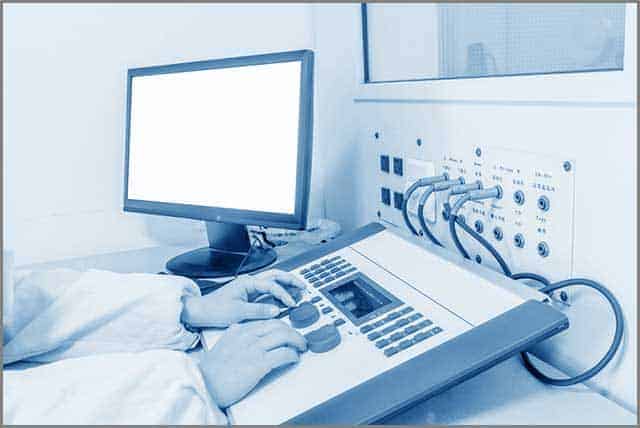
Custom medical device box build assembly brings design coordination, component sourcing, assembly, and testing into a single controlled workflow. By managing each stage from planning through deployment, Wiringo helps ensure on-time delivery of fully assembled medical devices ready for integration and use.
Industry Applications


Diagnostic and Imaging Equipment
Medical device box build assemblies support diagnostic and imaging systems used for clinical testing and medical imaging. These devices require reliable integration of electronics, sensors, and displays to ensure accurate diagnostics and dependable performance.


Patient Monitoring Systems
Patient monitoring devices rely on integrated electronics and sensors to track vital signs and transmit real-time data. Box build assembly supports stable operation for connected medical devices used in hospitals and clinical environments.


Laboratory and Research Equipment
Laboratory and research instruments require precise assembly to support analytical testing and controlled lab processes. Medical box build integration helps ensure consistent performance for devices used in diagnostics and scientific research.
Customizable for Your Medical Device Box Build Requirements
Medical device box build requirements vary widely depending on device architecture, regulatory needs, and system complexity. Wiringo supports both custom assemblies and repeatable production runs to meet the needs of OEM medical device manufacturers.
- Unique layouts: Assembly configurations tailored to device architecture and internal component placement.
- Specialized cabling: Custom cable assemblies and wiring harnesses designed for signal integrity and reliability.
- Enclosure constraints: Integration within metal or plastic housings while maintaining accessibility and protection.
- Integration requirements: Coordination of electronics, mechanical components, and electromechanical systems.
Wiringo works closely with OEM engineering teams throughout development and production. Our manufacturing processes allow programs to scale efficiently as device designs evolve and production volumes increase.
Quality and Safety, Guaranteed
Wiringo operates under ISO 9001 and ISO 13485 quality management systems to support regulated medical device manufacturing. Our controlled processes ensure consistent assembly, traceability, and compliance for OEM medical device production.




What Our Customers Are Saying
Have a look at what our customers are saying today about our medical device box build.

I have received an shipment of the cables that was supplied (p/o : 5130903714 )
I would like to say thanks you , to you and your staff ( factory ) well done.
I am very happy with the quality of the work, ( C )

Thank you very much for your hot support and efforts for our parts supply.
We received your DC cables with thanks a lot.
All parts passed inspection successfully!

Lead Engineer
I just received the cables. Once again, we are very pleased with the results. We are also looking forward to further cooperation in the future.
Please take care.
I could not ask for anything better in terms of quality since everything arrived in perfect condition.
Thank you very much and I look forward to future projects with Wiringo.
Thanks again for Wiringo's hard work in making this project a success.
Frequently Asked Questions
Can Wiringo assemble medical devices from customer-supplied designs and components?
Yes. Wiringo can perform medical device box build assembly using customer-supplied designs, PCB assemblies, and approved components. Our team integrates electronics, wiring, enclosures, and electromechanical parts into a complete medical device according to OEM engineering documentation and assembly specifications.
What documentation is included with medical device box builds?
Medical device box build manufacturing typically includes documentation that supports quality control and traceability. This may include bills of materials (BOMs), assembly instructions, revision tracking, inspection records, and test reports to support regulated medical device manufacturing.
How does Wiringo support low-volume and pilot medical device builds?
Wiringo supports low-volume production and pilot builds for medical device development. These smaller production runs allow OEM teams to validate design performance, test assembly processes, and prepare devices for full-scale manufacturing.
What testing is performed during medical device box build assembly?
Testing may include electrical continuity checks, functional testing of PCB assemblies, wiring verification, and visual inspection of mechanical and electromechanical components. These checks help confirm proper integration and reliable device operation before shipment.